
TR19® Grease cleaning for care-home extraction concerns
Care-home kitchen extraction fire safety
Grease-related finding in your care-home kitchen?
Get a quote for the canopy, connected ducts and fan.
Agree meal-service timing, access and completion records.
Arrange a kitchen extraction cleaning enquiry where grease, incomplete coverage or restricted access needs attention. Discuss the affected system and the home’s meal provision, with the included work and completion records agreed before booking. Wider fire-safety findings or equipment defects need their own assessment and scope.
Explore UK coverage, Scotland, Wales and Northern Ireland.
Guidance for care-home kitchen cleaning and post-clean records.
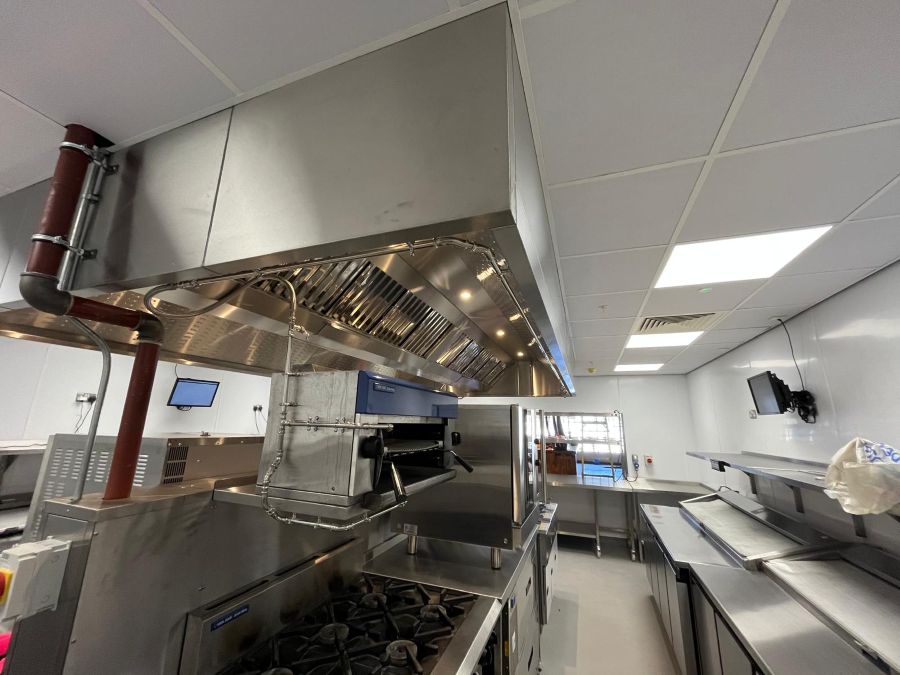
Arrange cleaning for the care home’s extraction concern
Planned grease-extract cleaning
Arrange TR19® Grease cleaning for the care home’s canopy, connected ductwork and extraction fan. Discuss meal-service times, equipment routes and the kitchen’s return to use, with the included sections, photographs, report and certification confirmed before booking.
Get a care-home extraction cleaning quote
Care-home kitchen extract cleaning
Access restrictions or excluded sections
Enquire about ducts or a fan left uncleaned because they could not be reached. Discuss the affected sections and access through the home or shared areas, with any separate assessment or access work and the follow-up cleaning defined before attendance.
Discuss outstanding care-home duct cleaning
Kitchen ductwork access and cleaning
Cleaning after a recorded fire-safety finding
Arrange a cleaning enquiry where a report or assessor has identified an extraction cleaning action. Discuss the location and required response, with fresh photographs and reporting linked to the cleaning undertaken and remaining limitations kept visible for the home’s follow-up.
Discuss a cleaning action from a report
Cleaning after an inspection finding
Discuss your care-home kitchen extraction cleaning
Start with the home’s postcode and your contact details. Describe the concern or timing in your own words if useful; you do not need to interpret a report or gather technical documents before enquiring.
Prefer to talk? Call 07849 274 799.
Your details are used to respond to your enquiry. How the service operates.
Kitchen extraction needs to be considered alongside the home’s wider fire precautions and residents’ needs. An extraction clean addresses the agreed hygiene task; assessment of the building and its fire protection is a separate specialist role.
Why do grease deposits matter?
Cooking can leave combustible grease on the internal surfaces of the extraction system. A clean canopy does not show the condition of the ducts or fan. Grease accumulation along the route is a reason to review the system’s inspection and cleaning arrangements.
Tell us if cleaning is overdue, a report raised a concern or earlier work left part of the route unfinished. See TR19 Grease kitchen extraction cleaning.
What if a fire risk assessment identifies an extraction issue?
The finding may call for grease removal, improved access, equipment attention or investigation of the route through the building. These are different tasks. A cleaning proposal should explain which part it addresses, with assessment or remedial work separately identified where needed.
Our kitchen compliance and fire safety enquiry route can help when the response involves more than cleaning.
Which parts of the extraction route should be considered?
The relevant scope can include canopies, filters, horizontal ducts, changes of direction, risers, fan components and the discharge. The actual installation determines what can be inspected and cleaned. Unreachable sections should be located and recorded, rather than lost behind a general completion statement.
For a known exclusion, see ductwork access and cleaning.
Can cleaning establish the fire resistance of the duct route?
No. Cleaning removes deposits within its agreed scope. It does not establish the fire resistance of ductwork, enclosures or penetrations through the building. Suspected defects in those elements need the relevant technical assessment and remedial proposal.
The premises assessor and appropriate building specialists need to remain involved where a finding concerns wider fire precautions.
How are inaccessible ducts and shared areas handled?
A route through a riser, plant room or roof area may require additional access arrangements. The proposed work needs to distinguish sections that can be reached now from any access alterations needed first. Changes to protected construction require suitable advice and approval.
A short enquiry can begin that discussion; you do not need to solve the access problem beforehand.
How often should a care-home kitchen extract be cleaned?
The cleaning recommendation needs to reflect the kitchen’s cooking pattern, equipment, deposits and inspection history. A care-home label alone does not establish one interval for every system. Changes in use or a new finding can justify a review.
Can the work fit around residents and meal services?
The proposed attendance needs to account for meal preparation, service times and the kitchen’s return to use. Access routes, noise, nearby occupied rooms and any temporary restrictions should be discussed with the home before the visit. The available window and system scope determine what is workable.
What should the handover explain?
The report should identify the kitchen system, completed cleaning, relevant photographs and findings, and anything not reached or resolved. A dated certificate should be read with that supporting information. Outstanding findings need a follow-up route within the home’s maintenance and fire-safety arrangements.
Where does the wider care-home fire assessment fit?
The Home Office publishes a residential care premises fire-risk assessment guide for England. Different national arrangements apply elsewhere in the UK. Use the relevant premises assessment for the home’s wider fire precautions.
Kitchen Extraction Evidence is operated by Search And Submit Limited. We coordinate enquiries with relevant businesses; the appointed specialists confirm their scope, quotation and deliverables. How the service works.