
Grease-report findings and TR19® Grease cleaning
Grease measurements in kitchen extraction reports
A grease reading needs a location and measurement method.
Discuss the report’s recommendation for your system.
Agree the cleaning scope and next records before booking.
Enquire about cleaning where an extraction report records grease deposits or work needing attention. Keep the location, method and recommendation together when discussing the proposed work. A single reading does not explain the whole route; agree the included sections, access and completion records for the cleaning being quoted.
Explore UK coverage, Scotland, Wales and Northern Ireland.
Guidance for TR19 Grease cleaning and post-clean reports.
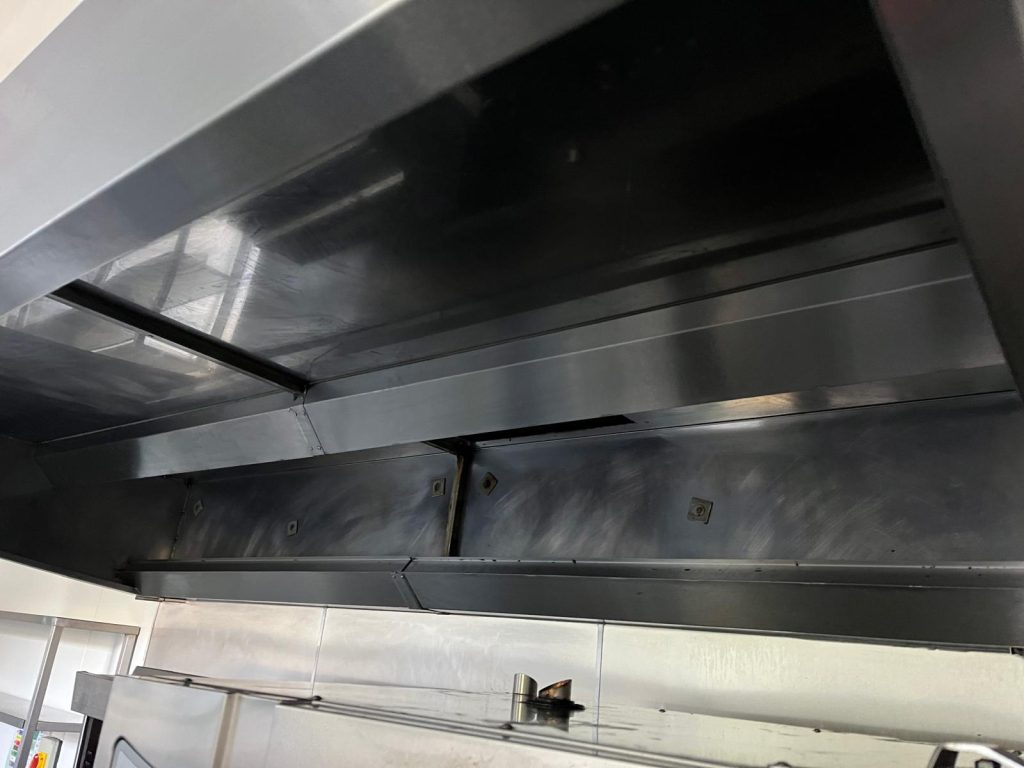
Discuss cleaning after an extraction report finding
Start with the site postcode and your contact details. Mention the finding if useful; you do not need to take measurements yourself or gather the full report before enquiring.
We use your details to respond and arrange follow-up with a cleaning business. About the service.
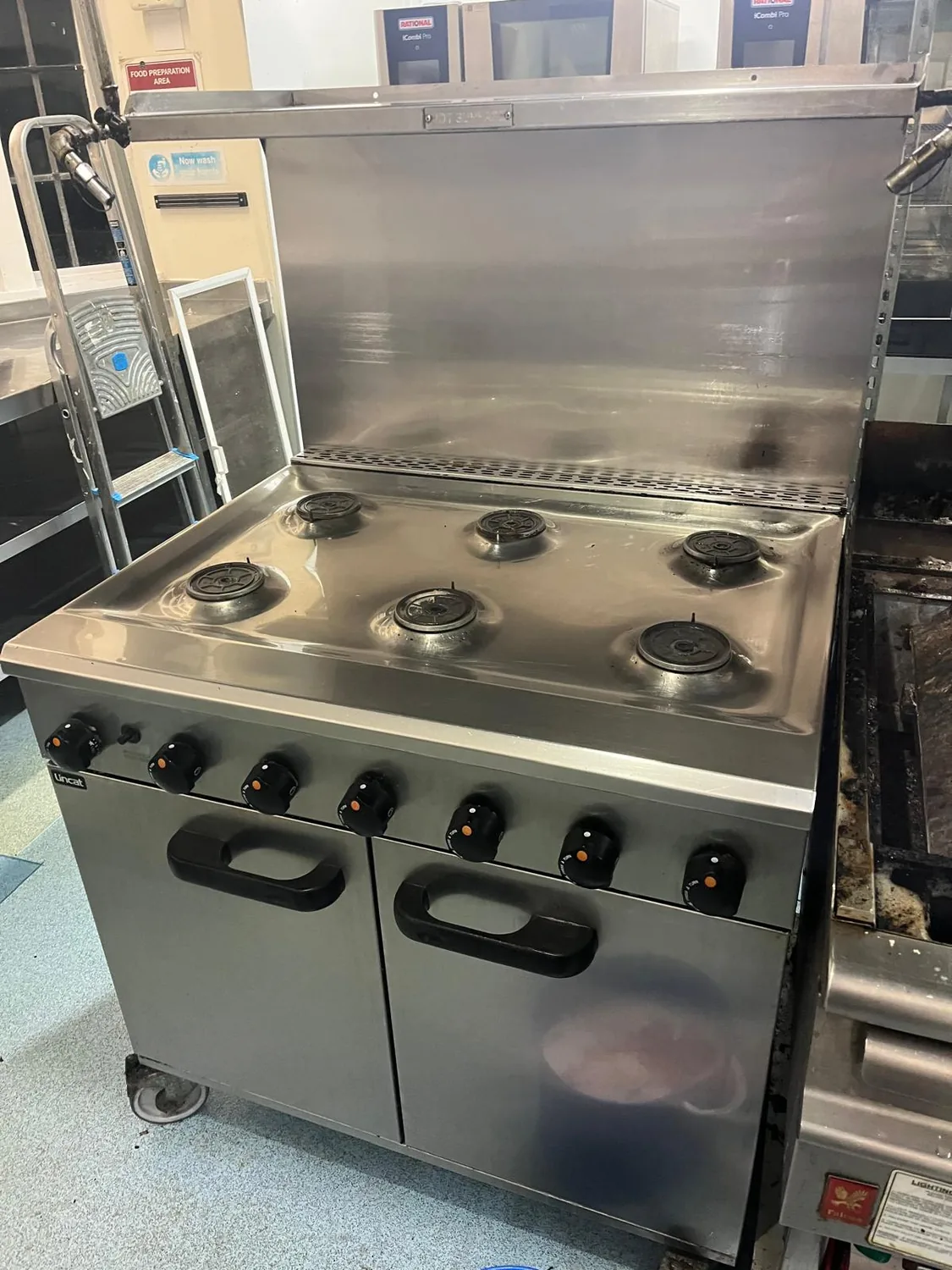
The BESA TR19 Grease specification is the technical reference for grease accumulation in kitchen extraction. Ask the competent specialist to identify the applicable criteria and interpret the site findings.
Which part of the system was checked?
Look for the system identification and test locations, including any drawing or photograph that helps locate them. The condition at one accessible point does not describe an uninspected section elsewhere. See the guide to extraction-system risk and access.
What does the finding mean for the next action?
Ask whether the recommendation is for cleaning, further inspection, access work or another step. Keep the affected location and proposed timing together. Avoid treating a number without its method, location and context as a complete assessment.
Ask about the method and reference used
- Where were the observations or measurements taken?
- How were they recorded and interpreted?
- Which specification or criteria were used?
- Were any sections inaccessible or excluded?
You do not need to take measurements yourself to request clarification or a quotation.
Distinguish inspection from post-clean verification
Check when the findings were recorded and what work had taken place. A report of the condition before cleaning has a different purpose from the verification record afterwards. The post-clean report guide explains the handover information to discuss.
Connect the finding to the cleaning scope
Ask which canopy, duct, fan and discharge sections the proposed work will address. Share the report when discussing TR19 Grease cleaning. If a finding remains unresolved, keep it in the action list rather than relying on a general completion statement.
What if part of the route could not be tested?
Ask the contractor to identify the limitation and the next step. Roof access, concealed ducts or another tenancy may need coordination first. Read the ductwork access guide before arranging follow-up work.
Use the findings when reviewing the cleaning plan
Ask how the condition found affects the next recommended inspection or clean. Explain changes in hours, cooking methods or equipment. Use cleaning-frequency guidance and the changing-use planning checklist to prepare that discussion.
How should you interpret a grease thickness result?
Start with the report’s stated measurement method, location and applicable TR19 Grease criteria. Check whether the result describes an accessible sampling point, several points or a wider assessment. A single figure from one location should not be treated as proof that every part of the duct route is in the same condition.
Ask the inspecting contractor to explain the significance of each result, whether further inspection is recommended and how the finding affects the proposed cleaning scope. A statement about the system should be supported by observations from that system, rather than an unsupported universal threshold.
What should the next quotation and completion report identify?
The quotation should connect the affected canopy, duct runs, fan or discharge to the work proposed, including how inaccessible sections will be treated. After cleaning, compare the handover with the original findings: does it identify what was cleaned, what was verified and any outstanding limitations?
If the reported areas cannot be reached, ask for the next access decision rather than accepting a completion statement for an unexamined section. See post-clean verification reports.