
Kitchen fire prevention and extraction cleaning enquiries
Commercial kitchen fire prevention: risks and precautions
Extraction cleaning due as part of your fire-prevention plan?
Get the canopy, connected ducts and fan scope defined.
Agree access, work timing and completion evidence.
Kitchen fire prevention includes the cooking operation, equipment, housekeeping, staff arrangements and the premises precautions identified by the fire risk assessment. Extraction cleaning addresses grease deposits within the agreed system scope. Request a cleaning quotation with the included sections and records clearly defined, while keeping other maintenance and fire-safety work in their appropriate appointments.
Explore UK coverage, Scotland, Wales and Northern Ireland.
Guidance for restaurants, hotels, catering estates.
Get a quotation for your kitchen extraction clean
Start with your name, site postcode, phone number and email address. A preferred date or brief description is optional; previous reports and technical drawings can follow if needed.
We use your details to respond and arrange follow-up with a cleaning business. About the service.
What are the main kitchen fire hazards?
Fire can start at cooking equipment and spread into grease deposits or nearby combustible materials. Common concerns include:
- Cooking appliances close to packaging, stored materials or other items that can burn.
- Electrical equipment exposed to heat or left without suitable maintenance.
- Grease accumulating behind filters, inside ducts and around the extraction fan.
Solid-fuel cooking adds specific fuel-storage and carbon monoxide risks. The premises assessment needs to reflect the actual appliances and cooking methods.
Which precautions help protect people?
Clear escape routes, maintained alarms, suitable firefighting equipment and staff training all matter alongside cleaning. For example, an exit used for deliveries still needs to remain available for escape, and new staff need to understand the premises fire procedures. The assessment determines the precautions needed for the building and its occupants.
Where does extraction cleaning fit?
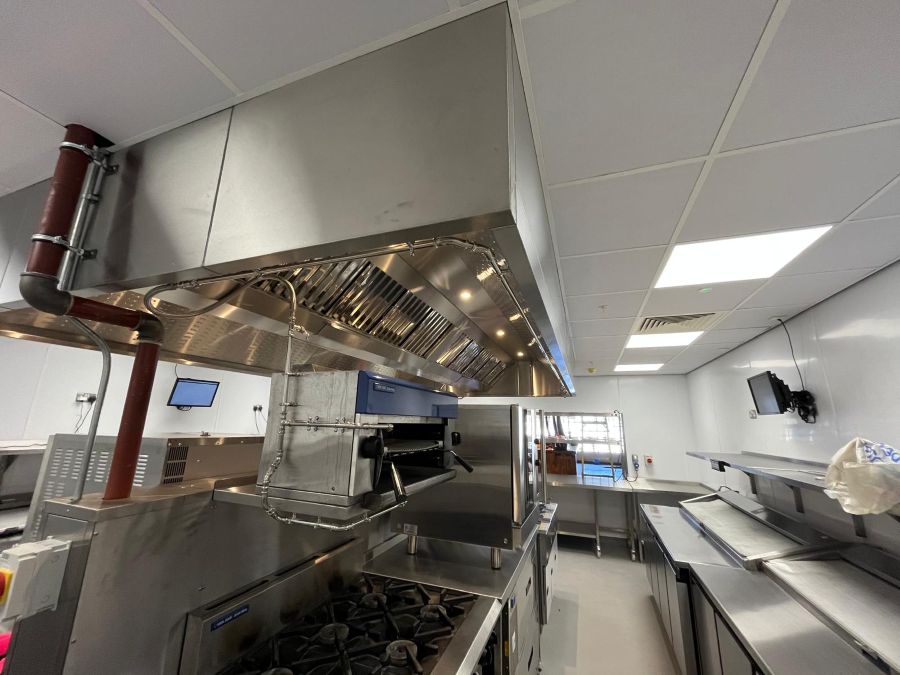
Grease inside the canopy, ducts and fan can burn and contribute to fire spread. Cleaning helps control that build-up. If extraction cleaning is due or its condition is uncertain, you can discuss the requirement without tracing the ducts or gathering technical documents first.
How do cleaning records support prevention?
A cleaning report and photographs help show which extraction sections were addressed and whether any part remains untouched. They support the maintenance history alongside the other precautions for the premises.
What happens when you contact us?
Tell us where your kitchen is and what you need help with. We introduce a cleaning business that discusses the work, quotation and timing with you. That business carries out the agreed clean and supplies its completion records.
Related help: TR19 cleaning and fire safety · Cleaning after a fire risk assessment.
Further reading: London Fire Brigade: fire safety for commercial kitchens.