
TR19® Grease cleaning scope, quotations and evidence
TR19 Grease explained: kitchen cleaning and evidence
Need a TR19 Grease clean and clear completion records?
Get the canopy, connected ducts and fan scope defined.
Agree access, price and the handover before booking.
TR19 Grease is BESA’s specification for managing grease accumulation in kitchen extraction systems. To arrange a clean, discuss the connected route, current findings and available working window. The responding business confirms what it can reach, any survey or separate work needed, its quotation and the evidence it will provide for the agreed clean.
Explore UK coverage, Scotland, Wales and Northern Ireland.
Guidance for TR19 Grease cleaning and post-clean reports.
Discuss your TR19 Grease cleaning requirement
Start with your name, site postcode, phone number and email address. A short description or deadline is useful; you do not need measurements, drawings or previous certificates before enquiring.
We use your details to respond and arrange follow-up with a relevant business. About the service.
If you are looking for the paperwork rather than a technical overview, start with TR19 cleaning certificates and reports. That guide explains the evidence to ask for when arranging a clean.
What is TR19 Grease?
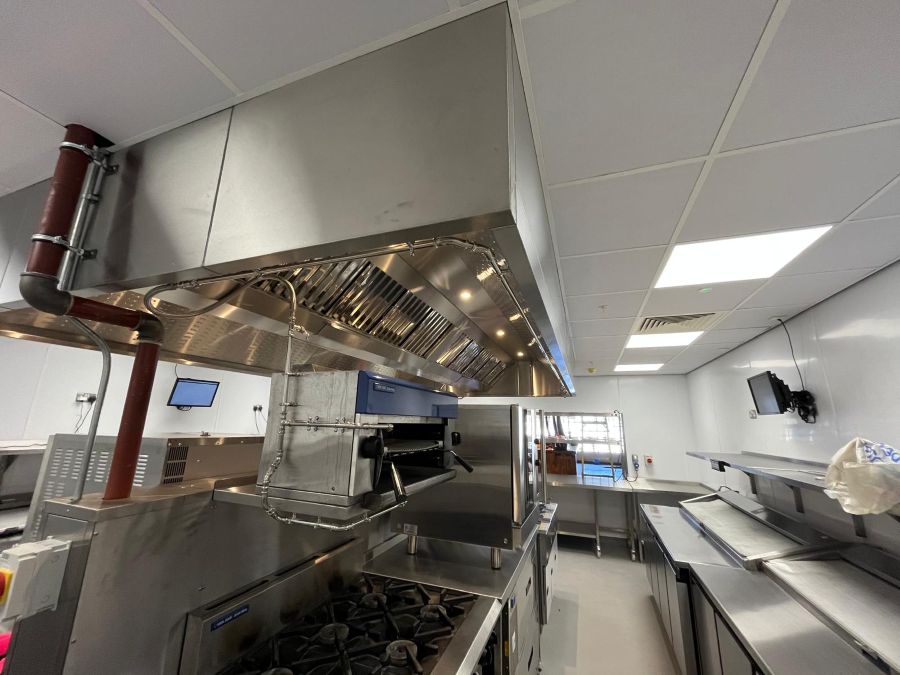
TR19 Grease is BESA’s separate specification for managing grease accumulation in kitchen extraction systems. The relevant system can include the canopy, filters, ducts, fan and discharge route.
General ventilation has a different focus. Our TR19 Grease and TR19 Air comparison helps you identify which system is being discussed.
Why look beyond the visible canopy?
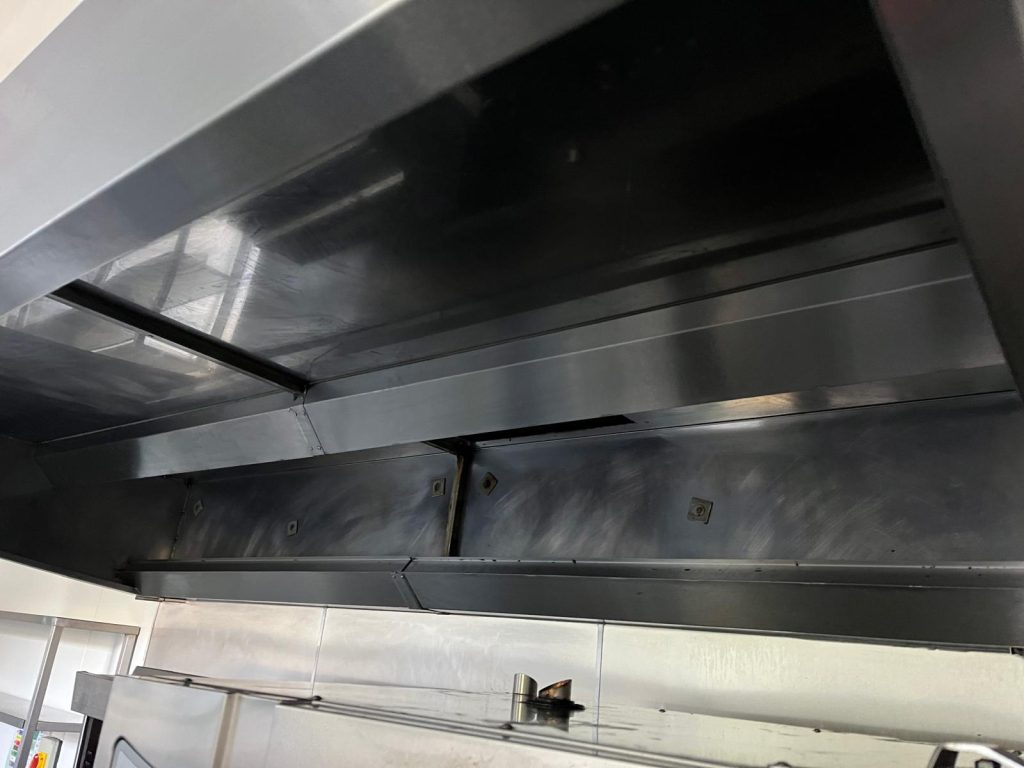
Grease can collect inside ductwork and other parts of the extraction route that are not visible from the kitchen. A clean-looking hood therefore does not establish the condition of the whole system.
Before booking, ask what will be inspected and cleaned, which sections can be reached and how any limitations will be recorded.
How does the specification relate to your site requirements?
TR19 Grease is an industry specification. The requirements for an individual premises also depend on its fire-safety arrangements, contracts and insurance wording. Ask the relevant party to clarify what work and evidence they require.
For the specification itself, refer to BESA’s TR19 Grease publication.
What parts of the extraction system should be in scope?
Ask the contractor to list the canopy, filters, duct runs, fan and discharge sections included in the quotation. Discuss access, equipment isolation and any additional work separately.
The kitchen extraction cleaning process guide explains the practical stages. If parts of the route cannot be reached, see help with cleaning access to ductwork.
How will the contractor record the outcome?
Agree how the work will be identified and documented. A report should make it possible to distinguish the sections cleaned from access limitations and actions still outstanding.
Use our guide to post-clean verification reports to prepare questions about the handover.
How often does your extraction system need cleaning?
Ask for a schedule that reflects the kitchen’s cooking hours, cooking methods, inspection findings and deposit build-up. Review it when usage changes or previous findings show a problem.
The TR19 Grease cleaning frequency guide covers the factors to discuss. A postcode alone does not establish an appropriate cleaning interval.
What changes in a high-rise or mixed-use building?
A duct route may pass through areas controlled by other occupiers or the building manager. Clarify permissions, riser access and who will act on any areas that could not be cleaned.
Keep the cleaning brief and access arrangements together so the attending contractor understands the whole route as far as it is known.
Can one building need both TR19 Grease and TR19 Air?
Yes. A building can have grease extraction from its kitchen and separate general ventilation serving other rooms. Identify each system and agree its scope individually.
Compare general ventilation cleaning under TR19 Air with kitchen extraction cleaning under TR19 Grease.
What should a cleaning certificate be supported by?
Check the site, system, date and contractor details against the completed work. Read the accompanying report and any access limitations rather than relying on the certificate heading alone.
See what to check in cleaning certificates and supporting records.
Who should keep the records and arrange follow-up?
Agree who commissions the work, provides access, receives the report and follows up on outstanding actions. In leased or shared premises, clarify the allocation with the landlord or building manager.
For a London fire-safety enquiry, our kitchen extraction fire-safety guide explains how cleaning fits into the wider discussion.
TR19 Grease Compliance Across London Boroughs
We support structured TR19 Grease ventilation cleaning across South London, including:
What should you ask before booking a TR19 Grease clean?
Ask the contractor to identify the kitchen extract system and the parts of the canopy, duct route, fan and discharge included in the quotation. Confirm how access is arranged and whether inaccessible sections require a survey or separate work. Discuss working hours and how the kitchen can be safely handed over, rather than assuming every system can be cleaned in the same visit.
Agree that the contractor will distinguish work completed from any uncleaned areas. A statement that a TR19 clean has taken place should not mask exclusions or a duct that could not be reached.
Does a TR19 certificate prove the whole building is compliant?
No. Cleaning evidence should relate to the named extraction system and the scope of the work. The premises may have separate requirements for fire assessment, equipment maintenance, ventilation design and general air hygiene. Check the supporting report for inspection findings, completion records and remaining actions rather than relying on the word “certificate”.
To arrange the cleaning itself, use TR19 Grease kitchen extract cleaning. For documentation questions, see TR19 cleaning certificates and evidence.